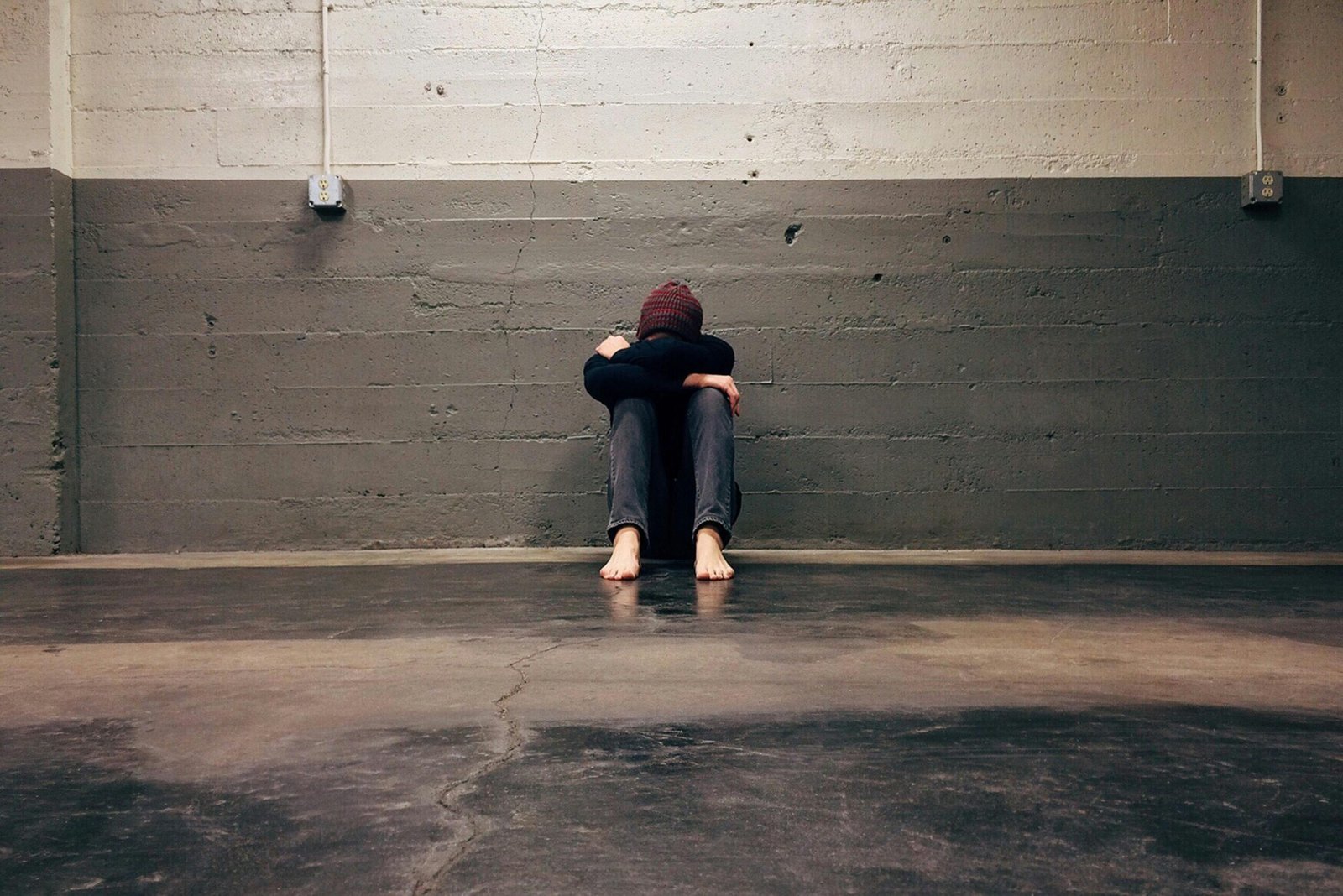
Social anxiety, also known as social phobia, is a common mental health condition that can significantly impact a person’s daily life.
Recent research from Australia reveals a substantial rise in social anxiety globally after the COVID-19 pandemic. Unsurprisingly, the COVID-19 pandemic has led to dynamical changes in daily routines and lifestyles, particular in profound impacts on mental health. Statistically, there has been an approximated additional 76 million cases of anxiety disorders worldwide, and increase of 25.6% (Kindred & Bates, 2023). Data collected from thirty-three studies reviewed that women and low-income earners are especially vulnerable.
If you or someone you know experiences intense fear and anxiety in social situations, and it cause daily impacts on daily functioning. It may be a sign of social anxiety disorder. Let’s understand a bit more about social anxiety disorder.
What is Social Anxiety Disorder?
Social anxiety disorder (SAD), also referred to social phobia, is a mental health condition characterized by an intense and persistent fear of social situations. Individuals with social anxiety disorder experience overwhelming anxiety, self-consciousness, and fear of being judged or humiliated by others. It goes beyond normal shyness and can significantly impact a person’s ability to function in social, academic, and workplace settings.

How Do People With Social Anxiety Disorder Generally Feel And Behave?
- Anxious about being in various social situations, such as meeting new people, public speaking, attending social gatherings
- Fearful about being negatively evaluated by others, which can lead to feelings of embarrassment, humiliation or rejection
- Fearful of offending others, and in turn withdraw from social interaction
- Being self-conscious around other people, which lead to avoidance behaviours
- Experience physical symptoms such as sweating, increased heartbeat, upset stomach
- Being overwhelmed with repetitive thinking
- Keep identifying the flaws of themselves after social events
Are Social Anxiety And Shyness The Same Thing?
Anxiety is a common emotional experience. It is a negative mood state manifested by somatic symptoms of physical tension and worries about the future (American Psychiatric Association, 2013). Simply speaking, anxiety is a subjective feeling of unease, a set of behaviours and a physiological response happened in the brain.
Shyness is commonly used to describe temperamental traits. It is related to the tendency to be inhibited and uncomfortable in new social situations. It is considered as behavioural inhibition (i.e., wariness in unfamiliar situations) or social withdrawal, which are risk factors for further social anxiety.
From a developmental perspective, maternal shyness has a stronger association with adolescent social anxiety. Research suggests that childhood social wariness connects maternal shyness to adolescent social anxiety (Zeytinoglu et al., 2022).
What Are The Causes of Social Anxiety?
The causes of social anxiety disorder can be explained from different perspectives. It suggests that a combination of genetic, environmental, and psychological factors may contribute to its development. Here are some possible causes and risk factors associated with social anxiety disorder:
1. Genetic Factors
It is commonly suggested that social anxiety disorder has genetic correlation. Having a close family member with the anxiety disorder increases the likelihood of developing it. However, no single gene directly attributes to social anxiety. A genetic vulnerability does not cause anxiety and/or panic directly but it may increase the tendency of having social anxiety disorder, with a combination of stress or other environmental factors.
2. Biological Factors
The consistent hyperactivity of the amygdala is associated most with triggering Social Anxiety Disorder. The amygdala, a part of the brain responsible for processing emotions, especially fear, anxiety, aggression, plays a crucial role in social anxiety disorder. Also, growing evidence shows that an imbalance in the brain chemicals, such as deficiencies in serotonin, is associated with social phobia.
3. Environmental Factors
Traumatic or negative experiences, such as bullying, humiliation, or social rejection, can contribute to the development of social anxiety disorder. Overprotective parenting or a lack of social support can also increase the risk.
4. Personality Traits
Individuals who are naturally shy, introverted, or have low self-esteem may be more susceptible to social anxiety disorder. As mentioned above, maternal shyness has higher association with adolescent social anxiety.

How Can We Treat Social Anxiety?
Fortunately, social anxiety disorder is a treatable condition, and several evidence-based interventions can help individuals manage their symptoms and improve their quality of life. Treatment for social anxiety disorder typically involves a combination of the following approaches:
Cognitive-Behavioral Therapy (CBT)
Cognitive-behavioral therapy (CBT) is a widely recognized and effective treatment for social anxiety disorder. CBT aims to identify and modify negative thought patterns and behaviors that contribute to social anxiety. This therapy helps individuals develop healthier coping mechanisms and improve their self-confidence in social situations (Feldman & Rivas-Vazquez, 2003).
During CBT sessions, a therapist may employ various techniques, such as:
Cognitive Restructuring: There are a number of unhelpful cognitive thoughts that attributed to anxiety, such as all or nothing thinking, mental filter, over-generalization. Challenging and replacing irrational thoughts with more realistic and positive ones.
Exposure Therapy: Gradually exposing individuals to feared social situations in a controlled and supportive environment to reduce anxiety and desensitize them to their fears.
Social Skills Training: Teaching individuals effective communication and assertiveness skills to enhance their social interactions.
Relaxation Techniques: Teaching relaxation exercises, such as deep breathing and progressive muscle relaxation, to manage anxiety symptoms.
CBT can be conducted individually or in group settings, depending on the individual’s needs and preferences. It is often recommended as the first-line treatment for social anxiety disorder due to its effectiveness.
If you need professional help on this, you can book a free discovery call to understand more.